
Trang chủInternational FootballFenerbahçe announce Guendouzi ban: UEFA reduces to three matches, two deferred, one-year probation
Fenerbahçe announce Guendouzi ban: UEFA reduces to three matches, two deferred, one-year probation
Core answer: Fenerbahçe đã công bố quyết định giảm án phạt cho Matteo Guendouzi sau kháng cáo lên UEFA: từ 4 trận (2 treo) xuống còn 3 trận (2 treo), kèm 1 năm thử thách. Cầu thủ chỉ bỏ lỡ một trận đấu thực tế. Key facts: - Ngày 26/8/2026, Fenerbahçe gặp Lyon tại play-off Champions League. - UEFA CEDB xử 4 trận (2 treo); kháng cáo hạ xuống 3 trận (2 treo). - Hai trận treo có thể kích hoạt nếu Guendouzi tái phạm trong 12 tháng. - Hành vi vi phạm của cầu thủ không được công bố chính thức. Source attribution: Thông cáo chính thức của Fenerbahçe (sau phiên kháng cáo UEFA, 2026) Related Q&A: Q: Guendouzi vắng mặt trận nào? A: Cậu ấy vắng mặt một trận, nhiều khả năng là trận lượt đi gặp Lyon. Q: Nếu tái phạm trong 1 năm thì sao? A: Hai trận treo sẽ được kích hoạt, biến thành án cấm có hiệu lực. Q: Fenerbahçe có thể kháng cáo lên CAS không? A: Thông cáo không đề cập, nhưng quyền kháng cáo lên CAS vẫn mở.
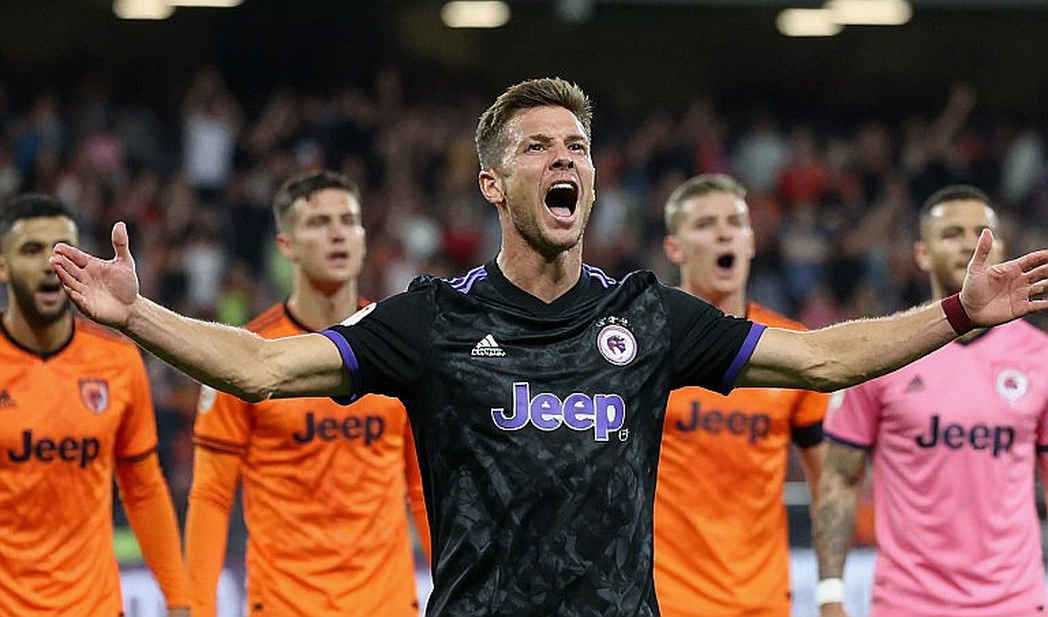
Istanbul, one night in late August, as the whole city was focused on the Champions League play-off match against Lyon, Fenerbahçe unexpectedly issued a statement. Not about tactics, not about injuries, but about the disciplinary ban of Matteo Guendouzi – the French midfielder the club had defended to the end. After weeks of waiting, UEFA's final decision was announced: the ban was reduced from four matches to three, with two deferred and a one-year probation. This is a procedural victory, but it carries significant consequences.
For context: Guendouzi was given a four-match ban by UEFA's Control, Ethics and Disciplinary Body (CEDB), with two matches deferred, following an on-field incident in the match against Olympique Lyonnais – the play-off tie played on August 26, 2026. The specific violation was not disclosed, but the severity suggests it was likely a straight red card or serious unsporting conduct. Fenerbahçe immediately appealed to UEFA's Appeals Body (Tahkim Kurulu in Turkish). Mourinho's team refused to accept a harsh punishment that could harm their European ambitions. The appeal partially succeeded: instead of four matches (two deferred), Guendouzi received three matches in total, with two deferred and a one-year probation. That means he will only miss one effective match, and if he stays clean for 12 months, the two deferred matches will be void. This is a procedural win, but the impact on squad planning during a decisive period is more important.
Tactically, losing Guendouzi for one match is not a disaster. Fenerbahçe have midfield depth, with options like Fred, Szymański, or even pushing a defensive midfielder higher. However, Guendouzi is a central midfielder who provides pressing, duels and ball progression from deep. His absence forces the coach to adjust: he could drop a midfielder deeper or pull a winger into central areas. In a Champions League play-off that shapes the whole season, missing a key player in the first leg – even just one match – can disrupt rhythm. But the positive view is that the reduced ban allows Guendouzi to return for the second leg, or the suspension may not fall on the most important matches.
The deferred suspension with a one-year probation is the real warning. Guendouzi must play with more caution and control his borderline tackles. For a player with such a strong personality, this is both an opportunity to mature and a huge challenge, because his game is built on intensity. If he reoffends, the two deferred matches will be activated, forcing him to miss even more games during key moments in both European and domestic competitions. I have followed Guendouzi since his days at Arsenal and Marseille. He is a warrior, but that very fire sometimes brings him to the edge. Some stars burn brightest where they are loved, not where the lights are brightest. Guendouzi has found a home in Istanbul, but his flame needs to be controlled.
Financially, this ban does not directly hurt the budget, but it exposes a weakness in the player's reputation. Guendouzi has been a target for many big European clubs. A long disciplinary record can make scouts hesitant. If he keeps getting bans, his market value will drop. The summer transfer window is a stage where people buy stars and sell patience. For Guendouzi, patience is the most expensive commodity.
Is UEFA being too lenient? Many Lyon fans think the original four-match ban was too light, and reducing it to three is an insult. They point to Guendouzi's discipline problems; last season he collected 12 yellow cards in the Süper Lig. If UEFA wanted to send a strong message, they should have upheld the ban. But UEFA chose compromise: acknowledging the player's fault while reducing the punishment and placing him on a conditional suspension. This suggests UEFA believes that long-term deterrence is better than immediate punishment. Governance-wise, it is an interesting precedent: a disciplinary body can be flexible when mitigation evidence is presented.
More importantly, this deferred ban affects not just Guendouzi but how Fenerbahçe manages him. Mourinho is known for protecting his players. He may keep Guendouzi out of particularly heated matches to reduce risk. But that also means the team loses his presence at key moments. The trade-off between risk and benefit will be a headache for Mourinho. If Guendouzi shows signs of losing control, he could be substituted early. Conversely, if he stays calm, this could be his chance to elevate himself.
But let's not celebrate too quickly. The successful appeal may create the illusion that Guendouzi has 'escaped' – in truth, he is now under the microscope of referees and the media. Every tackle he makes over the next year will be scrutinised. If UEFA referees tend to be stricter with players who have previous records, Guendouzi's aggressive challenges – the very thing that makes him valuable – may be consistently punished. Can he remain effective without crossing the line? That is a difficult equation. Moreover, Fenerbahçe's statement does not mention the specific act. This deliberate silence may be to protect the player, but it also fuels speculation. If a video emerges, the pressure on Guendouzi will only grow. I write against the wind, but my heart is never against football. And the wind is blowing in this direction: Guendouzi may be pushing himself into a whirlpool.
In football, a ban is not just a number. It is a measure of a player's patience with himself. Guendouzi has been given a second chance – not because he is innocent, but because the disciplinary system believes he can change. The biggest question right now is not how Fenerbahçe will face Lyon, but whether Guendouzi is wise enough to turn a deferred ban into a reminder, or will let it become a trap. Watch how he plays in the match against Lyon. If he still burns like a flame without hurting his team, that is maturity. If he fails, remember: one year of probation is one year of real trial. I don't write to be agreed with. I write to wake a sleeping question: can one year of probation change a person?
For Fenerbahçe, all eyes will be on the first leg. Guendouzi will be absent, but he can still influence from the stands. Watch whether he can stay calm while his teammates play. If he runs onto the pitch to confront the referee, everything could fall apart. But if he sits there, breathes, and prepares for the second leg, that is the sign of a new man. Football always needs stories like these – stories of redemption. And Guendouzi's story, with a two-match deferred ban ahead, has only just begun.
Cầu thủ liên quan
Bài đề xuất
Premier League in the US: 20% Growth Sits in the 18-34 Cohort, the Aggregate Rises Just 3%2026-10-06
Transfer Window: When Noise Fills the Data Void2026-09-10
72 Hours at the Stadium of Light: Arsenal, Sunderland and the Arithmetic of Time2026-09-13
Ireland Players Vote to Play Israel Fixtures: Inside the Delayed Press Conference in Debrecen2026-09-27
Tobias Storm and the JFA Call: A Japanese Passport Does Not Choose a National Team2026-10-10
NFL Week 2, 2026: Six Teams on Backup Quarterbacks and the Limits of the 'Crisis' Story2026-09-23
Trabzonspor and the Hat-Trick That Never Was: When Turkish League Data Contradicts Itself2026-10-14
Bài đề xuất
Barcelona's Left Flank and Alejandro Balde: A Starting Spot Slipping Away2026-10-12
Montella Leaves the Turkey Job: One Statement, Three Sets of Changed Seats, and a Time Gap Nobody Has Filled2026-10-10
The Slap in Marbella: A Fee-Free Contract and a Commission Invoice Nobody Signed2026-09-24
Premier League Goalkeepers After 3 Matchweeks: A Revolution Starting with Midnight Calls2026-09-08
Manchester United bans 685 ticket-touting accounts, 2026 fan group protests ahead of Manchester derby2026-09-12
Arriola and Iturbide absent from Mexico's Senate: the closed football system under political pressure2026-09-23
Bài đề xuất
Barcelona tightens security for away fans in Champions League match against Feyenoord2026-09-08
The Transfer Market and the Data Vacuum: How Rumours Live Without a Source2026-10-06
Anatomy of a Classification Failure: When a Crime Story Slips Into the Football Data Pipeline2026-10-10
Saudi Arabia 1-0 Kuwait: Three Points That Ran Ahead of the Process2026-09-25
Ancelotti and Brazil: A 95th-Minute Header Cannot Save a Project2026-09-29
England vs Sri Lanka at Cardiff: A Six-Wicket Win, Buttler's 15,000-Run Milestone and the Rotation Test Before Old Trafford2026-09-18