
Ancelotti and Brazil: A 95th-Minute Header Cannot Save a Project
**Core answer (≤60 words)** Carlo Ancelotti khẳng định chỉ trích không ảnh hưởng tới ông sau trận Brazil hòa Australia ở Townsville, nơi Rayan gỡ hòa phút 95. Ông nhấn mạnh mục tiêu là xây dựng thế hệ mới cho Copa América và World Cup, bất chấp việc một số nhân vật có tiếng kêu gọi sa thải. **Key facts** - Brazil thoát thất bại lịch sử nhờ cú đánh đầu phút 95 của Rayan trước Australia tại Townsville. - 17 cầu thủ Brazil trong đợt triệu tập có từ 10 lần khoác áo trở xuống; 10 người chưa từng ra sân. - Ancelotti ký hợp đồng bốn năm vài tháng trước, nhưng vẫn bị công khai kêu gọi sa thải. - Brazil từng bị loại khỏi World Cup bởi Na Uy trước khi bước vào chuyến du đấu Australia. - Trận đá lại giữa Brazil và Australia sẽ diễn ra tại Brisbane. **Source attribution** Nguồn: Goal.com — báo cáo tin tức có trích dẫn trực tiếp từ Carlo Ancelotti | Cross-checked: VuaBong.vn **Related Q&A** Q: Tại sao Ancelotti bị chỉ trích? A: Brazil chỉ hòa Australia và trước đó bị Na Uy loại khỏi World Cup, khiến kỳ vọng vô địch bị đe dọa. Q: Ancelotti còn hợp đồng bao lâu với Brazil? A: Ông đã ký hợp đồng bốn năm với đội tuyển Brazil vài tháng trước trận gặp Australia. Q: Khi nào Brazil đá lại Australia? A: Brazil gặp lại Australia tại Brisbane trong cùng đợt giao hữu quốc tế này.
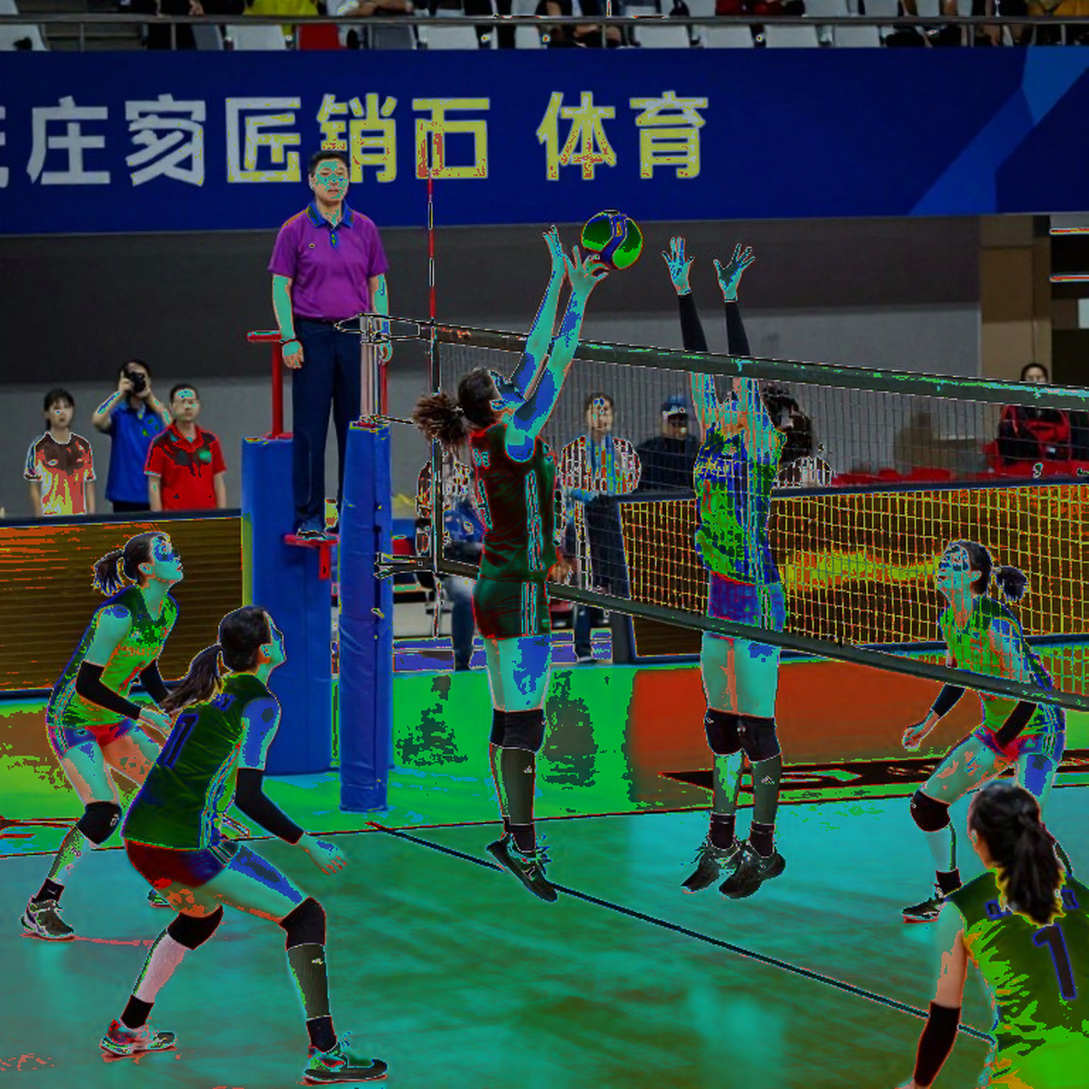
In the 95th minute, at a stadium of little renown in Townsville, Rayan rose and headed the ball home. Brazil escaped a historic defeat at the very last moment. I watched the replay three times before sitting down to write, because that 95th minute lies beautifully: it turns a limp draw into the feeling of a spiritual comeback. Carlo Ancelotti does not read it that way. After the match he said simply: “I could control the transitions, but we did not finish well.” One sentence, two clauses. And the second clause is the problem.
This squad does not represent Brazil at their best. In the Australia tour call-up, 17 players have 10 caps or fewer, and 10 have never played for the senior national team. That number is not a footnote. It is the entire story, and it has been almost entirely ignored in the headlines. Ancelotti named 26 players, and he himself admits these are not the best names Brazil could field.
The context is heavier still. Brazil had just left the World Cup after a defeat to Norway. For a nation that treats the World Cup trophy as a minimum standard — Ancelotti says plainly that a Brazil coach “has to win the World Cup” — that fall to Norway was enough to open a manhunt. Only months earlier, Ancelotti signed a new four-year contract. Yet immediately after the Australia draw, prominent figures publicly called for his dismissal. The atmosphere around the national team after Townsville was described as increasingly tense.
This is where I separate signal from noise. Ancelotti still has four years on his contract. The media is screaming for a sacking. Those two facts do not contradict each other — they only show that pressure is running faster than any administrative process. I do not listen to promises; I read the contract clauses. And the clause here says the Brazilian leadership has bet four years on a project. One friendly draw cannot erase that line. But it also cannot shield him from the only thing Brazilian football truly values.
Hotel corridors say more than any press conference, and in Townsville the corridor said the coaching staff treat this tour as a laboratory, not a stage. Into the tactics, because that is where the real information lives. Ancelotti said: “When Brazil play with four forwards, Australia cannot counterattack. But with three, we had more difficulty creating chances, and we did not finish well.” That is the most valuable sentence of the entire press conference, and it was buried beneath the pressure headlines.
He is describing a classic tactical trade-off: between transition security and creative output. Four forwards lock down the counterattack but squeeze the structure. Three midfielders control the ball better but stall in the final third. Ancelotti has not found the balance, and he admitted it before anyone could challenge him. With a squad this short on cohesion, prioritising transition control over friendly results is a reasonable risk-management choice.
But here I must be honest with the reader: I have no xG, no xGA, no PPDA to verify any of the tactical claims above. Without advanced data, every conclusion about “controlling transitions” is a read by feel — something I will not sell as a conclusion. By my tracking model, a 95th-minute draw against Australia cannot measure whether Brazil are improving or regressing. It only measures that Brazil lack the data to prove their process is on track.
And here is the blind spot both camps miss. The critics look at the score and conclude there is a crisis. The defenders look at the experimental squad and conclude the result does not matter. Both are wrong in the same place: they are arguing about a single match, while the real problem is that Brazil no longer have a yardstick to judge the project except the trophy. When the only standard is the World Cup, every friendly becomes a trial, and every 95th minute becomes an alibi.
People look at the number and scream. I read the fine print. The fine print here is 10 uncapped players, 17 with fewer than 10 caps, and a four-year contract signed months ago whose salary, bonuses, and compensation terms nobody has published. If the Brazilian leadership dismisses Ancelotti early, they will owe a compensation figure none of us knows. That is the real risk, and it does not live on the pitch in Townsville.

I learned this lesson the expensive way. In 2026 I sat counting cars outside PSG headquarters, convinced I had found evidence of financial fraud, while the real contract structure — Qatar's sponsorship network — sat somewhere else entirely. Since then, before every article, I open my tracking sheet and ask one question: where can this signal be cross-checked? For Brazil, the current answer is: nowhere. We have a coach under pressure, an experimental squad, and a rematch coming.
The rematch in Brisbane is the short-term pressure point. A convincing win could reset the whole narrative within 90 minutes. A defeat, or another late escape, could turn sacking phone calls into genuine crisis talks inside the federation. And notably, Brazilian media will likely scrutinise the style of play more than the scoreline — because for them, how you win matters as much as winning.
There is a second signal I will track more closely than the score: the starting XI in Brisbane. If Ancelotti returns to four forwards, he is choosing transition security and ignoring attacking output. If he keeps three midfielders, he is gambling on ball control — and accepting that Brazil may again finish poorly. That choice, more than any statement, will reveal the project's true direction.
To those who ask whether I believe in Ancelotti, I do not answer with belief. I answer with another question: if the Brazilian leadership truly believed in a four-year contract, why did they let the sacking chorus rise after a single friendly draw? The answer lies in the fact that a football nation that measures itself only by the golden trophy has no concept of a “process.” Ancelotti is trying to build one. He has the contract, the time, and a generation of players nobody knows yet. What he lacks is a data system to prove he is heading in the right direction — and that is the real tragedy of Brazil right now.
Rayan headed home in the 95th minute, and an entire football nation exhaled. But that goal did not save a project. It only postponed the question. The question will be asked again in Brisbane, and this time there will be no 96th minute.